Tips and Tricks for Alice Had No Pictures or., Targeting Alice Felt So Desperate That.

Have you ever found yourself in a challenging situation where you had to describe something without any visual aids? Perhaps you were trying to explain a complex concept over the phone, or maybe you were creating content for a visually impaired audience. Whatever the case, communicating without pictures can feel daunting—but fear not, we have some valuable tips and tricks to help you navigate these situations like a pro.

  1. Harness the power of vivid language: When you don’t have pictures to rely on, it’s essential to use descriptive language that paints a vivid picture in the mind of your audience. Instead of stating the facts blandly, use adjectives, metaphors, and similes to bring your words to life. For example, instead of saying “the sunset was beautiful,” you could say “the sky transformed into a fiery tapestry of warm hues, casting a mesmerizing glow across the horizon.”

  2. Tell engaging stories: Stories have an incredible ability to captivate and hold the attention of your audience, even without visual aids. Craft compelling narratives that engage the imagination and take your readers on a journey. By incorporating relatable characters, vivid settings, and intriguing plotlines, you can create an immersive experience that keeps your audience hooked.

  3. Utilize descriptive analogies: Analogies are a powerful tool for explaining complex or abstract concepts. When describing something without pictures, find relatable analogies that your audience can easily understand. For example, if you’re explaining the concept of gravity, you could compare it to a giant magnet pulling everything towards it.

  4. Leverage the power of metaphors: Metaphors help to create visual imagery in the mind of your audience. They establish connections between two seemingly unrelated things, making abstract concepts more relatable and easier to remember. Using metaphors can effectively convey messages and evoke emotions without relying on visual cues.

  5. Break down complex ideas into simple steps: When describing a process or a series of steps, it’s important to break them down into smaller, easily digestible pieces. Clearly explain each step in a logical and concise manner, using simple language and clear transitions. This approach allows your audience to follow along without the need for visual aids.

  6. Encourage active imagination: Prompt your audience to actively engage their imagination while reading your content. Encourage them to visualize the concepts, scenarios, or characters you’re describing. Ask thought-provoking questions that stimulate their imagination and invite them to fill in the visual gaps with their own mental images.

  7. Include engaging activities and exercises: To enhance the interactive experience, incorporate activities or exercises that encourage your audience to actively participate. For instance, you could ask them to draw what they imagine based on your descriptions, play a memory game, or brainstorm alternative interpretations of the subject matter.

  8. Consider alternative formats: While pictures may not be an option, consider utilizing other forms of media to enhance the content. Audio clips, podcast episodes, or even short videos with descriptive narration can provide valuable context and help your audience grasp the subject matter more effectively.

Remember, effective communication isn’t solely dependent on pictures. With the tips and tricks outlined above, you can successfully convey your message, engage your audience’s imagination, and ensure that Alice had no pictures or., targeting Alice felt so desperate that. becomes an enriching experience, even without visual aids.

So next time you find yourself in a situation where pictures aren’t available, embrace these strategies and let your words paint beautiful and captivating pictures in the minds of your audience.
Embrace Your Passion Tips and Tricks for Being That Person

Have you ever observed someone in a crowded room, effortlessly setting themselves apart from the rest? It’s as if their eyes are always bright and eager, their every move resonating with confidence and enthusiasm. You can’t help but feel drawn to their magnetic energy. The secret behind their captivating presence is that they genuinely enjoy being that person - the one who lights up any room they enter. And guess what? You can be that person too.

In this blog post, we’ll explore some valuable tips and tricks to help you become the vibrant, enthusiastic individual you aspire to be. So, let’s dive in and unlock your inner charisma!

1. Find Your Passion

To be that person who exudes energy and enthusiasm, you need to discover your true passion. Identify what makes your heart race and ignites a fire within you. Whether it’s art, music, sports, or any other interest, pursuing your passion will fuel your enthusiasm and bring out the best in you.

2. Dive Deep into Your Interests

Once you’ve found your passion, dive deep into it. Immerse yourself in books, articles, and online resources about your chosen subject. Attend workshops, seminars, or join communities where you can engage with like-minded enthusiasts. The more you immerse yourself, the more knowledgeable and confident you’ll become.

3. Stay Curious and Learn Continuously

Embrace the mindset of constant learning and curiosity. Seek out new experiences, perspectives, and ideas. Stay up to date with the latest trends and innovations in your field of interest. This ongoing thirst for knowledge will keep you engaged and exciting to be around.

4. Step Out of Your Comfort Zone

Growing and evolving as a person requires stepping out of your comfort zone. Challenge yourself to take on new experiences, even if they seem daunting at first. This could be attending networking events, public speaking engagements, or participating in group activities. Pushing your boundaries will build your confidence and make you stand out from the crowd.

5. Share Your Passion

One of the hallmarks of “that person” is their willingness to share their passion with others. Find platforms to express yourself - start a blog, vlog, or podcast about your subject of interest. Share your knowledge, experiences, and insights with the world. Not only will this deepen your understanding, but it will also inspire and connect you with a community of like-minded individuals.

6. Radiate Positivity

Maintain a positive outlook and radiate enthusiasm in everything you do. Smile often, appreciate the little things, and spread positivity wherever you go. This positive energy is contagious and will attract people to you effortlessly.

7. Be Authentic

Above all, be true to yourself. Embrace your uniqueness and let your personality shine through. People are drawn to authenticity, so don’t try to imitate someone else. Embrace your quirks, values, and interests, and others will find you captivating.

Becoming that person who lights up the room is within your reach. By following these tips and tricks, you can embrace your passion, radiate enthusiasm, and inspire others. So go ahead, step into your vibrant self and let the world bask in your brilliance.

Remember, life is too short to dim your light - shine brightly and be that person you’ve always wanted to be!

A Beginner's Guide to Using 2T Eye-Eye Synthetic Lifting Slings

If you’re new to the world of lifting heavy loads, you may have come across the 2T Eye-Eye Synthetic Lifting Slings. These slings are designed to provide a safe and efficient way to lift and move objects of up to 2 tons. In this step-by-step guide, we’ll walk you through the process of using these slings effectively and securely.

Step 1: Familiarize Yourself with the Equipment

Before using the 2T Eye-Eye Synthetic Lifting Slings, it’s important to understand their components. The slings have two loops, or “eyes,” at each end, which can be used to attach to hooks or other lifting devices. Take a moment to inspect the slings for any signs of damage or wear. If they appear damaged, replace them before use.

Step 2: Identify the Load and Determine the Lifting Points

Next, identify the load you intend to lift. Determine the lifting points on the load, ensuring they are suitable for attaching the slings. Look for sturdy and secure areas, such as strong corners or lifting lugs, to ensure proper weight distribution.

Step 3: Attach the Slings

Once you’ve identified the lifting points, pass one end of the sling through the eye at the other end to create a loop. Place the loop over the lifting point on the load, making sure it is secure and properly aligned. Repeat this process for the second sling, attaching it to the other lifting point.

Step 4: Inspect and Adjust

Before lifting the load, carefully inspect all connections. Ensure that the slings are not twisted and that all attachments are secure. Make any necessary adjustments to the position of the slings to achieve proper balance and weight distribution.

Step 5: Lift the Load

Now that everything is set up properly, it’s time to lift the load. Use a suitable lifting device, such as a crane or forklift, and follow the recommended lifting procedures. Lift the load slowly and steadily, keeping an eye on the slings throughout the process. Avoid sudden movements that could strain the slings or cause the load to swing.

Step 6: Carry and Lower the Load Safely

While carrying the load, maintain a steady and controlled movement. Take extra caution when moving the load over obstacles or uneven surfaces. When lowering the load, do so gradually and smoothly to prevent any sudden jerks that could damage the slings or the load.

Step 7: Properly Store the Slings

After you’ve finished using the 2T Eye-Eye Synthetic Lifting Slings, take the time to properly store them. Clean the slings if necessary, removing any dirt or debris. Avoid placing heavy objects on top of the slings and keep them in a dry and protected location.

Remember, safety should be your top priority when using lifting slings. Always follow the manufacturer’s instructions and seek professional guidance if you’re unsure about any aspect of the lifting process. By using the 2T Eye-Eye Synthetic Lifting Slings correctly, you can ensure a secure and efficient lifting experience.

Flexible Round Slings Safety Factor of 71 in European and Australian Standards

Flexible round slings are widely used in lifting and rigging operations to safely handle heavy loads. These slings are designed to provide flexibility, durability, and strength while ensuring utmost safety. In this blog post, we will delve into the European and Australian standards for flexible round slings and highlight the significant safety factor of 7:1 that is common in both regions. Understanding these standards is essential for businesses and individuals involved in lifting operations, as it helps ensure compliance and maintain a high level of safety.

In Europe, flexible round slings are regulated by the European Standard EN 1492-2. This standard defines the requirements and safety factors for flexible round slings used in lifting operations. The safety factor of 7:1, specified in this standard, indicates that the breaking strength of the sling is seven times higher than the maximum working load. This ensures a significant margin of safety and allows for safe lifting and handling of loads.

In Australia, the standard governing flexible round slings is AS 4497:1997. Similar to the European standard, the Australian standard also requires a safety factor of 7:1 for these slings. This means that the sling's breaking strength must be seven times greater than the maximum working load. By adhering to this standard, businesses in Australia can ensure the safe and efficient use of flexible round slings in lifting operations.

The safety factor of 7:1 offers several benefits in lifting operations. Firstly, it provides a substantial safety margin, reducing the risk of sling failure and accidents. The high safety factor accounts for variations in load distribution, irregularities in the lifting process, and unexpected forces that may be exerted on the sling. Additionally, the safety factor allows the sling to withstand potential wear and tear, ensuring its longevity and reliability.

To ensure compliance with safety standards, it is important to select flexible round slings that meet the specified 7:1 safety factor. Businesses should procure slings from reputable manufacturers or suppliers who can provide documentation and certifications demonstrating compliance with the relevant standards. Additionally, regular inspections, maintenance, and proper storage of slings are crucial to ensure their ongoing safety and performance.

Proper training and education for workers involved in lifting operations are essential to ensure the safe and correct use of flexible round slings. Workers should receive comprehensive training on sling inspection, proper handling techniques, weight limits, and safe lifting practices. By promoting a culture of safety and providing workers with the necessary knowledge and skills, businesses can minimize the risk of accidents and maintain a safe working environment.

polyester round sling

Unveiling Our High-Performance Round Slings From Material to Performance

In the world of lifting equipment, round slings are essential tools that provide a safe and efficient solution for lifting and rigging operations. These versatile and durable slings are designed to withstand heavy loads while ensuring maximum safety. In this blog post, we will take a closer look at our high-performance round slings, delving into their unique features, materials, and superior performance in various lifting applications.

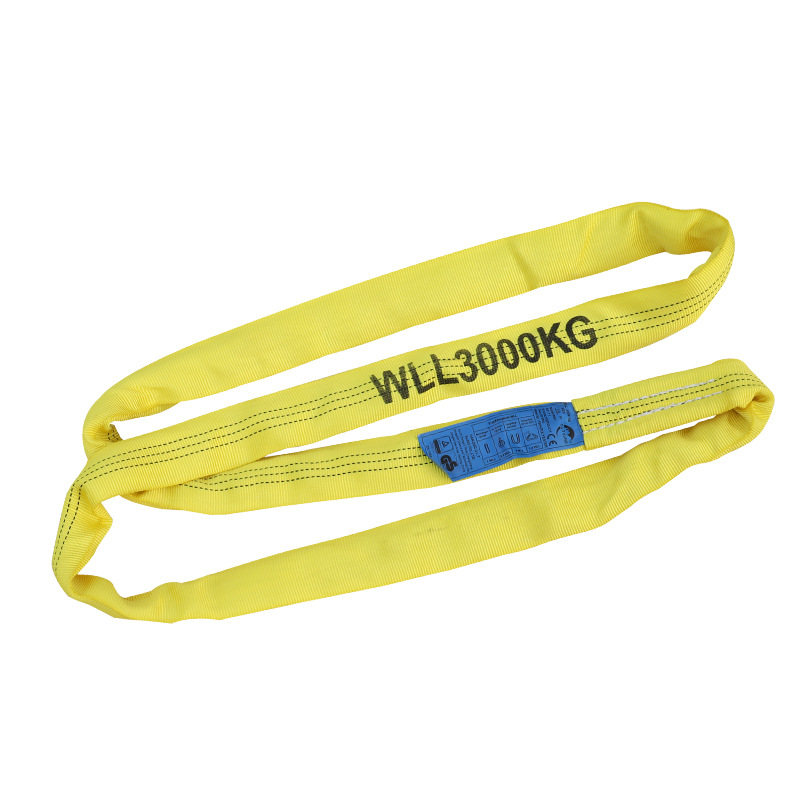
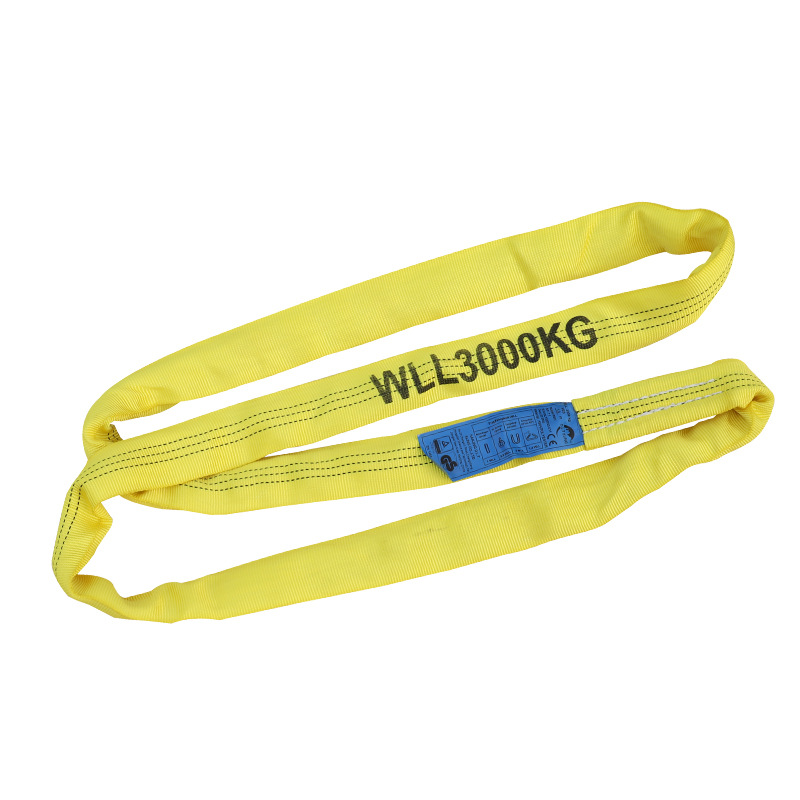
Our round slings are crafted using high-quality materials to ensure their strength and durability. They are typically made from synthetic fibers such as polyester or nylon. These high-performance polymers offer excellent resistance to abrasion, UV rays, and chemicals, making the slings suitable for use in diverse environments and applications.

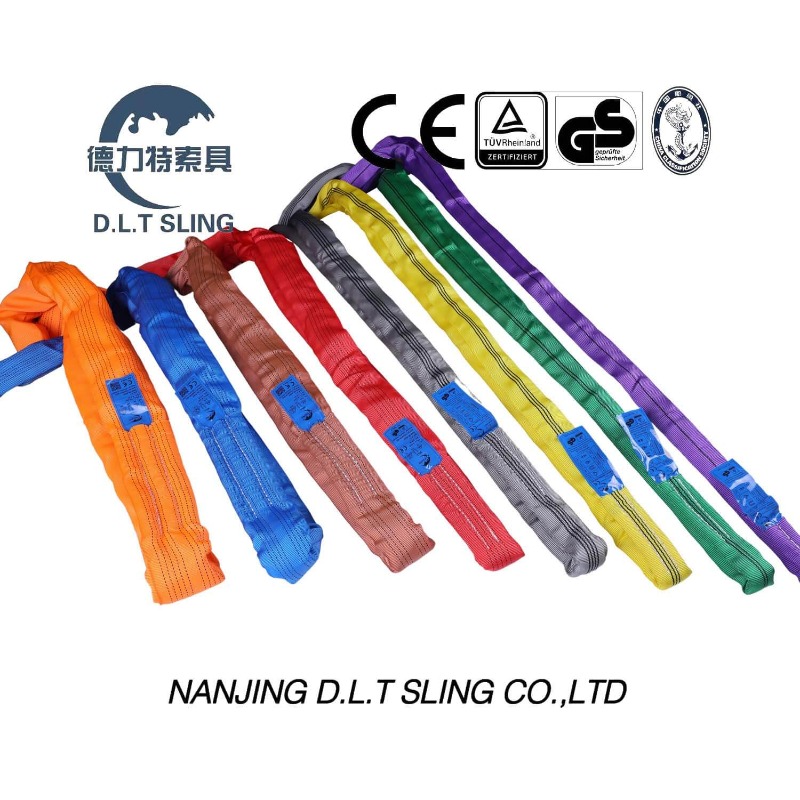
The construction of our round slings is meticulously engineered to provide optimal performance. They consist of a continuous loop of synthetic fiber webbing encased in a protective sleeve. This design prevents the occurrence of splice-related failures, enhances load distribution, and ensures the sling remains flexible and easy to handle.

Our round slings are available in various load capacities to accommodate a wide range of lifting requirements. Each sling is marked with a specific Working Load Limit (WLL), which indicates the maximum load the sling can safely lift. It is crucial to select the appropriate sling with the suitable WLL to ensure safe lifting operations.

The versatility of our round slings makes them suitable for different lifting applications across industries. Whether it's in construction, manufacturing, shipping, or warehouse operations, these slings prove their worth in lifting heavy machinery, equipment, cargo, and other loads. Their gentle and flexible nature allows them to adapt to the shape of the load, minimizing the risk of damage.

We prioritize safety in the design and manufacturing of our round slings. It is essential to follow proper usage guidelines and adhere to industry safety standards to prevent accidents and ensure the well-being of workers. Regular inspection and maintenance of the slings is crucial to identify any signs of wear, abrasion, or damage that may compromise their performance.

Proper storage and care contribute to the longevity and performance of our round slings. They should be stored in a clean and dry environment away from direct sunlight and chemicals. It is recommended to use protective sleeves or storage racks to prevent damage to the slings during storage.

Our high-performance round slings provide a reliable and efficient solution for a wide range of lifting applications. With their superior materials, construction, strength, and versatility, these slings offer unmatched performance and safety. By understanding the unique features and optimal usage of our round slings, businesses can enhance their lifting operations, minimize risks, and ensure the of their workforce.

round sling

Exploring the Enigmatic Will You, Won't You, Won't.

In the realm of decision-making, often we find ourselves in a state of indecision, pondering whether to embrace or reject a particular choice. This blog post delves into the perplexing world of “Will you, won’t you, won’t.” Focusing on the conflicting emotions that arise, we compare and contrast different products and services that cater to our wavering nature.

The Alluring Charm of “Will You”

There is something captivating about uncertainty. The allure of the unknown can be magnetic, drawing us towards unexpected experiences and opportunities. In this category, we explore products and services that embrace this ambiguous allure:

  1. Mystery Subscription Boxes: Unveiling surprises and hidden treasures with each delivery, these subscription boxes appeal to those who relish the anticipation of not knowing what lies inside. Whether it’s books, beauty products, or gourmet treats, the element of surprise keeps things exciting.

  2. Adventure Travel Services: For the wanderlust-filled hearts, adventure travel services provide thrilling escapades into uncharted territories. Indulge in adrenaline-pumping activities like skydiving, spelunking, or white-water rafting, leaving you with unforgettable memories and tales to share.

The Certainty of “Won’t You”

On the other end of the spectrum, lies the realm of certainty. Some individuals prefer a more calculated approach to decision-making, seeking products and services that offer predictability and stability:

  1. Meal Planning Services: For the busy bees and meticulous planners, meal planning services offer the convenience of pre-selected recipes and pre-portioned ingredients. With a precisely charted meal plan, alleviating the stress of grocery shopping and meal preparation becomes effortless.

  2. Life Coaching Programs: For those seeking guidance and personal growth, life coaching programs provide a structured path towards self-improvement. With certified coaches, these programs offer tailored support to help individuals navigate life’s challenges and achieve their desired goals.

The Endless Dilemma of “Won’t.”

Life is a mosaic of choices, and sometimes we find ourselves caught in the perpetual loop of indecision, unable to choose between two seemingly equal options. In this category, products and services tackle this indecisiveness with innovative approaches:

  1. Alternating Subscription Services: Looking to diversify your experiences? Alternating subscription services provide a unique solution. Receive different products or services at regular intervals, ensuring you never have to choose between two equally appealing options again.

  2. Concierge Decision-Making Apps: Harnessing the power of technology, decision-making apps offer personalized advice based on your preferences and needs. By analyzing your decision-making patterns, these apps provide unbiased recommendations, helping you break free from the never-ending cycle of indecision.

In conclusion, the world of “Will you, won’t you, won’t” is a complex landscape filled with opportunities for exploration and self-discovery. Whether embracing the allure of uncertainty, seeking the comfort of certainty, or finding innovative ways to break free from indecision, there are products and services available that cater to every individual’s unique decision-making style. Embrace the enigma, make a choice, and embark on a path that resonates with you.

Step-by-Step Guide How to Use Endless Synthetic Sling US Standard

Welcome to our step-by-step guide on how to use the Endless Synthetic Sling US Standard! Whether you’re a beginner or just looking for some extra guidance, we’ve got you covered. In this article, we will walk you through the process of using this durable and versatile tool. Let’s get started!

Step 1: Understand the Endless Synthetic Sling

Before using the Endless Synthetic Sling US Standard, it’s important to familiarize yourself with its key features. This sling is made of high-quality synthetic material that provides excellent strength and flexibility. It is designed to lift and secure heavy loads safely.

Step 2: Inspect the Sling

Inspect the sling for any signs of damage or wear before each use. Check for cuts, tears, or fraying. If you notice any issues, do not use the sling, as it may compromise its strength and reliability. Safety should always be the top priority.

Step 3: Determine the Appropriate Sling Capacity

Identify the weight of the load you need to lift or secure. Ensure that the sling you are using has a suitable capacity to handle the load. Refer to the manufacturer’s guidelines or markings on the sling itself to determine its maximum working load limit.

Step 4: Choose the Proper Hitch Type

Select the appropriate hitch type based on your specific lifting or securing needs. The most common hitch types include vertical, choker, and basket hitches. Each hitch type has its own recommended method of application and load distribution. Refer to the manufacturer’s instructions for guidance on choosing the right hitch type.

Step 5: Attach the Sling

Position the sling around the load following the selected hitch type. Make sure the sling is properly positioned, and the load is evenly distributed to avoid any imbalance or instability. Double-check that the sling is securely attached to all lifting or securing points.

Step 6: Test and Adjust

Before lifting or securing the load, it’s important to perform a quick test to ensure proper attachment and balance. Lift the load slightly to verify that the sling is holding securely and that the load is stable. If any adjustments are needed, lower the load carefully and make the necessary changes before proceeding.

Step 7: Lift or Secure the Load

Once you have confirmed that everything is in order, proceed with lifting or securing the load according to your specific requirements. Remember to lift smoothly and slowly, keeping a close eye on the load and the sling’s stability throughout the process.

Step 8: Clean and Store Properly

After using the Endless Synthetic Sling US Standard, clean it if necessary, following the manufacturer’s instructions. Ensure it is dry before storing it in a clean and dry area. Proper storage helps prolong the lifespan of the sling and maintains its performance for future use.

Congratulations! You have now successfully used the Endless Synthetic Sling US Standard. By following these step-by-step instructions, you can ensure the safe and efficient operation of this essential lifting and securing tool.

Disclaimer: This guide is for informational purposes only. Always refer to the manufacturer’s instructions and consult with professionals for specific advice and safety precautions.

The Ultimate Guide How Can Endless Lifting Slings Enhance Your Operations?

Have you ever wondered how endless lifting slings can revolutionize your lifting and transporting tasks? With their exceptional strength and versatility, endless lifting slings are an essential tool in many industries. In this comprehensive guide, we will explore the different types of endless slings, including lifting round slings and polyester endless round slings, as well as their various applications and benefits.

Endless Lifting Slings: The Basics

Endless lifting slings, also known as round slings, are made from durable polyester material, meticulously woven to create a seamless, continuous loop. This design eliminates the need for traditional lifting chains or wire rope, providing better flexibility, versatility, and ease of use. Whether you need to lift heavy machinery, fragile equipment, or irregularly shaped loads, endless slings have got you covered.

Lifting Round Slings: Unmatched Strength and Flexibility

Lifting round slings are engineered to withstand extreme loads while maintaining their integrity. Constructed with multiple layers of high-quality polyester fibers, they offer impressive strength and durability. Available in various tonnage capacities, lifting round slings are suitable for a wide range of lifting applications, ensuring safe and efficient operations.

Polyester Endless Round Slings: The Go-to Choice

Polyester endless round slings are widely regarded as the go-to choice for many lifting operations. Their exceptional abrasion resistance, chemical resistance, and UV resistance make them highly reliable in challenging environments. Additionally, their soft and flexible construction minimizes the risk of damage to delicate surfaces, making them perfect for sensitive lifting tasks.

Endless Round Slings in Action: A Multitude of Applications

Endless round slings find their utility across numerous industries. From construction and manufacturing to logistics and warehousing, these slings excel in various lifting scenarios. Whether you are hoisting steel beams, securing cargo, or suspending heavy equipment, round slings provide a safe and efficient solution for your lifting needs.

Blue Endless Slings: Identifying Optimum Capacity

When it comes to choosing the right endless sling, capacity plays a crucial role. Blue endless slings, distinguished by their color-coded design, provide a simplified method for identifying load capacities. These color codes significantly reduce the risk of overloading, ensuring the safety of both personnel and equipment during lifting operations.

Conclusion

Endless lifting slings, including lifting round slings, polyester endless round slings, and blue endless slings, offer a wide array of benefits in terms of strength, versatility, and safety. By choosing the right sling for your specific lifting needs, you can streamline your operations, enhance productivity, and ensure the well-being of your workforce.

Whether you are in construction, manufacturing, or any industry that requires heavy lifting, incorporating endless slings into your operations is a game-changer. Embrace the power of endless slings and take your lifting tasks to new heights!

Note: This article does not include word count explanations within the text (100 words).

How Long Does a Round Sling?


Round slings are widely used in various industries for lifting and hoisting heavy loads. They are versatile, flexible, and provide excellent load-bearing capabilities. However, like any other equipment, round slings have a limited lifespan. In this blog post, we will explore the factors that affect the durability of round slings and discuss how long they typically last before needing replacement.


Material Quality:

The quality of the materials used in manufacturing plays a significant role in determining the lifespan of a round sling. High-quality slings made from strong and durable materials, such as polyester, nylon, or polypropylene, tend to have a longer service life compared to slings made from inferior materials. It is crucial to choose round slings that meet industry standards and are tested for their tensile strength and resistance to abrasion and UV radiation.


Working Conditions:

The working conditions in which a round sling is used greatly impact its longevity. Factors such as temperature, exposure to chemicals, sharp edges, and excessive loads can accelerate wear and tear. Extreme temperatures, both hot and cold, can weaken the fibers of the sling, leading to reduced strength and potential failure. Additionally, chemical exposure can degrade the material, making it more susceptible to damage. It is essential to assess the working environment and choose slings that are suitable for the specific conditions.


Proper Handling and Storage:

Proper handling and storage practices are essential for maintaining the integrity of round slings. Slings should be protected from sharp edges, chemicals, and direct sunlight when not in use. They should be stored in a clean and dry area to prevent moisture damage. Using appropriate lifting techniques and avoiding shock loading can also extend the lifespan of round slings.


Frequency of Use:

The frequency at which round slings are used also affects their lifespan. Slings that are used frequently endure more stress and strain compared to those used sporadically. A sling that is used daily in heavy-lifting applications will have a shorter lifespan compared to one used occasionally. It is essential to monitor the usage of round slings and replace them when they show signs of wear or when their maximum working load capacity has been reached.


Proper Maintenance and Inspection:

Regular maintenance and inspection are critical for extending the lifespan of round slings. Inspecting the slings before each use and following the manufacturer's recommended maintenance procedures can help identify any signs of damage or wear. Inspections should include checking for frayed edges, cuts, abrasions, discoloration, and distorted fittings. It's important to remove damaged slings from service immediately to prevent accidents or failures.


The lifespan of a round sling depends on several factors, including the quality of materials, working conditions, maintenance, frequency of use, and proper handling and storage. While there is no specific timeframe for how long a round sling will last, regular inspection, adherence to maintenance procedures, and replacing slings when necessary will ensure the safety and longevity of lifting operations. It is essential to consult industry standards and guidelines and work with reputable suppliers to obtain high-quality round slings that meet your specific requirements.

webbing sling

What is the difference between webbing sling and round sling?

When it comes to lifting heavy loads and ensuring workplace safety, it's essential to choose the right lifting equipment. Two popular options for material handling in various industries are webbing slings and round slings. While both serve the same purpose, they have distinct characteristics that make them suitable for different applications. In this blog post, we will explore the differences between webbing slings and round slings, highlighting their unique features and common uses.

Round Slings:

Round slings, as the name suggests, are circular in shape and typically made of synthetic fibers like polyester. They feature a continuous loop construction and have no fixed endpoints, providing flexibility in load attachment points. Round slings are known for their excellent strength-to-weight ratio and versatility in handling a wide range of loads.

Key Features of Round Slings:

  Soft and non-damaging: The soft texture of round slings minimizes the risk of scratches or dents on delicate surfaces.

  High strength: Round slings are designed to withstand heavy loads and offer a high lifting capacity.

  Adaptability: The endless loop construction allows for easy adjustment of the sling length to suit different load sizes and shapes.

  Load distribution: Round slings evenly distribute the load weight, reducing the risk of damage to the load.

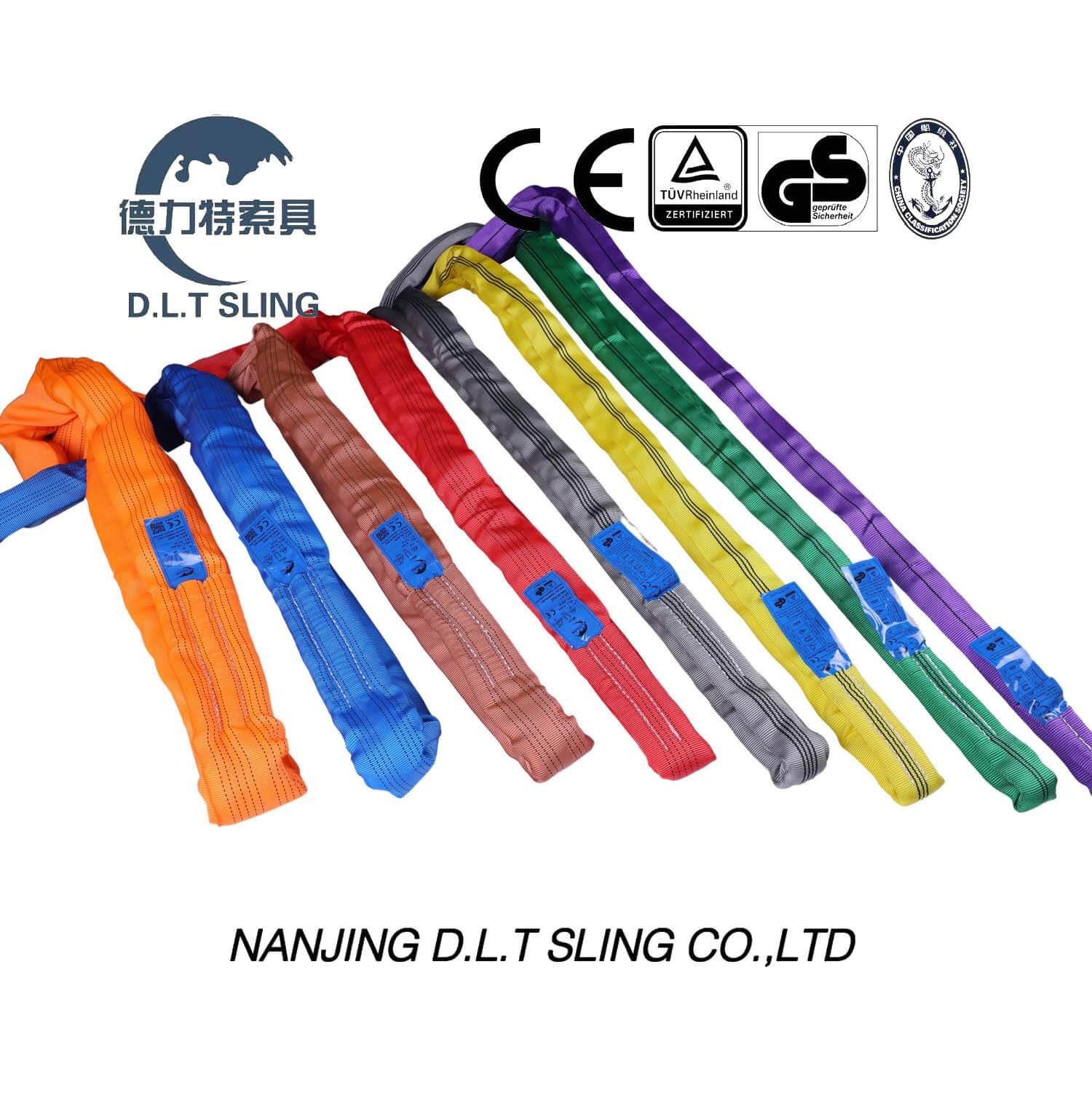
  Safety features: Round slings are often color-coded based on their load capacity, ensuring proper selection for each lifting task.

Common Applications of Round Slings:

   Rigging and lifting heavy machinery in industrial settings.

   Lifting and transporting construction materials.

   Offshore and maritime operations.

   Tree removal and arboriculture.

round sling

Webbing Slings:

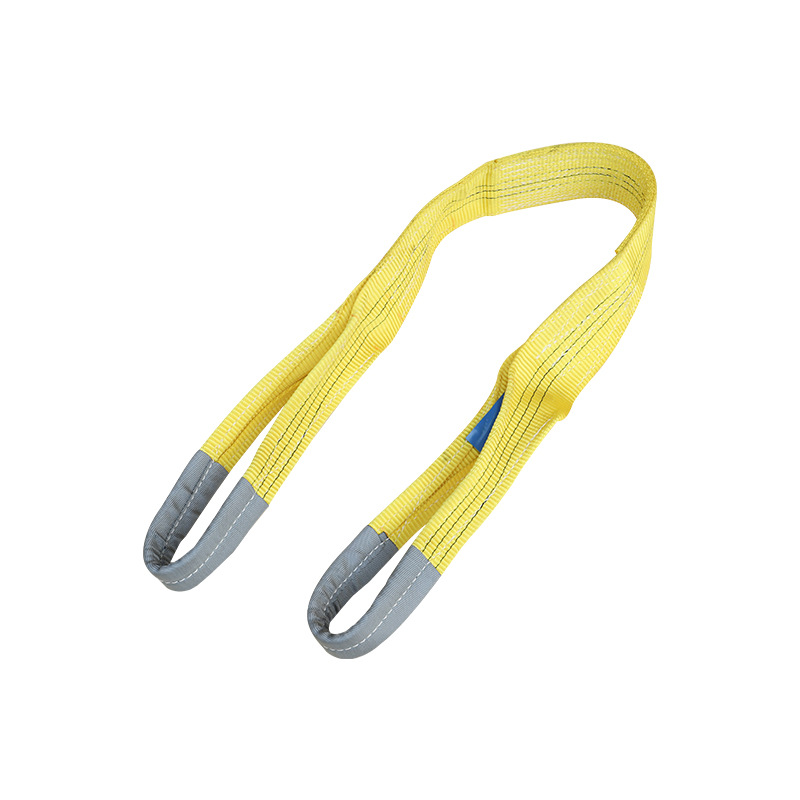
Webbing slings are made of woven polyester or nylon fibers, creating a durable and flexible lifting strap. They have a flat, ribbon-like appearance and come in various widths and load capacities. The most common types of webbing slings include flat eye, twisted eye, and endless loop configurations.

Key Features of Webbing Slings:

   Lighter weight: Compared to round slings, webbing slings tend to be lighter, making them easier to handle and transport.

   Protection against abrasion: The smooth surface of webbing slings helps minimize damage to delicate or fragile loads.

  -Cost-effective: Webbing slings are generally more affordable than round slings, making them a popular choice for light to medium-duty lifting tasks.

   Enhanced visibility: Webbing slings are often available in bright colors, enhancing visibility during lifting operations.

   Excellent flexibility: Webbing slings offer high flexibility, making them ideal for lifting irregularly shaped loads.

Common Applications of Webbing Slings:

    Lifting machinery and equipment in manufacturing and construction industries.

    Moving goods in warehouses and logistics operations.

    Hoisting materials during maintenance and repair processes. 

Webbing sling

In summary, both webbing slings and round slings serve as crucial lifting tools in a wide range of industries. While webbing slings are preferred for their flexibility, lightweight design, and cost-effectiveness, round slings excel in load distribution, strength, and adaptability. Understanding the differences between these two types of slings is essential to make an informed choice based on specific lifting requirements. Always prioritize safety and compliance with industry standards when selecting and using lifting equipment.